

Developed an AI-driven, LLM-based chatbot that emulates a caring friend through SMS, offering a personalized conversational experience. Integrated long-term memory using SQL databases and implemented context-awareness, enabling the AI to recall past interactions and schedule follow-ups. Enhanced the chatbot’s humanoidity by designing 35 custom prompts for 9 tailored LLM agents, facilitating memory-based retrieval and delivering authentic, friend-like interactions.
Project Purpose:
Many people experience situations where they need to talk to someone—whether to unload emotional burdens or seek trusted advice. However, not everyone has consistent access to a trusted confidant. Data suggests this is a widespread issue.
Let the Data Speak:
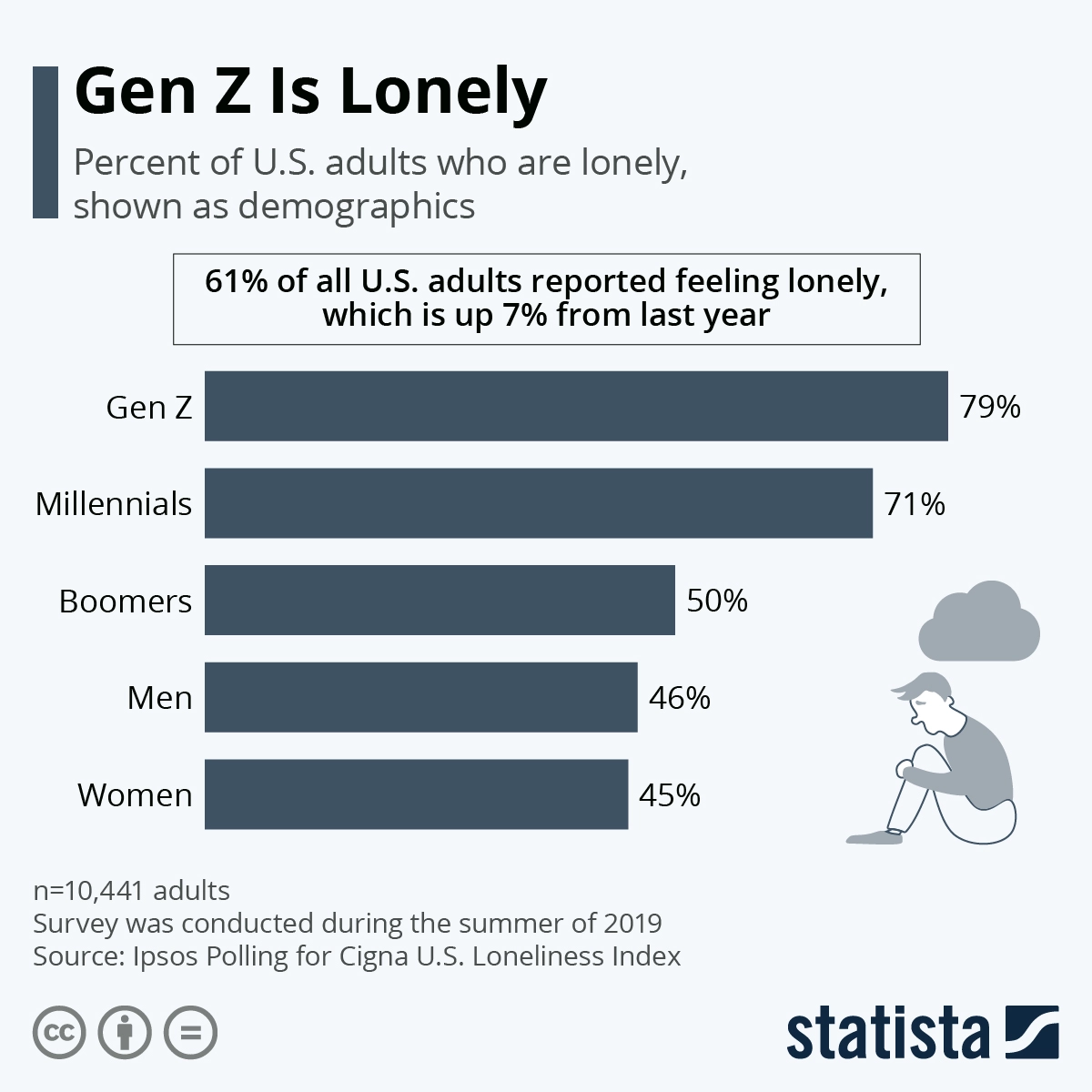
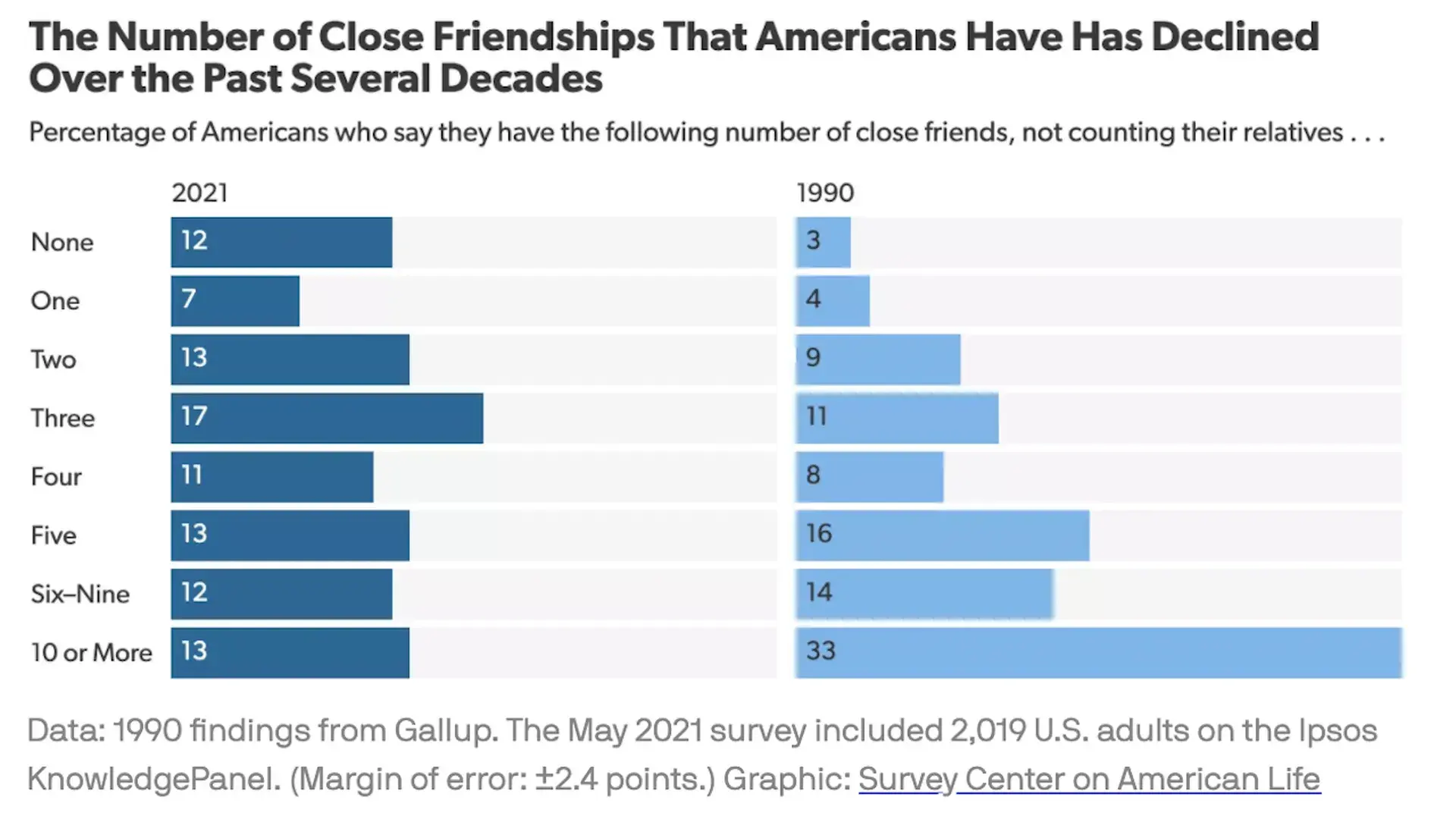
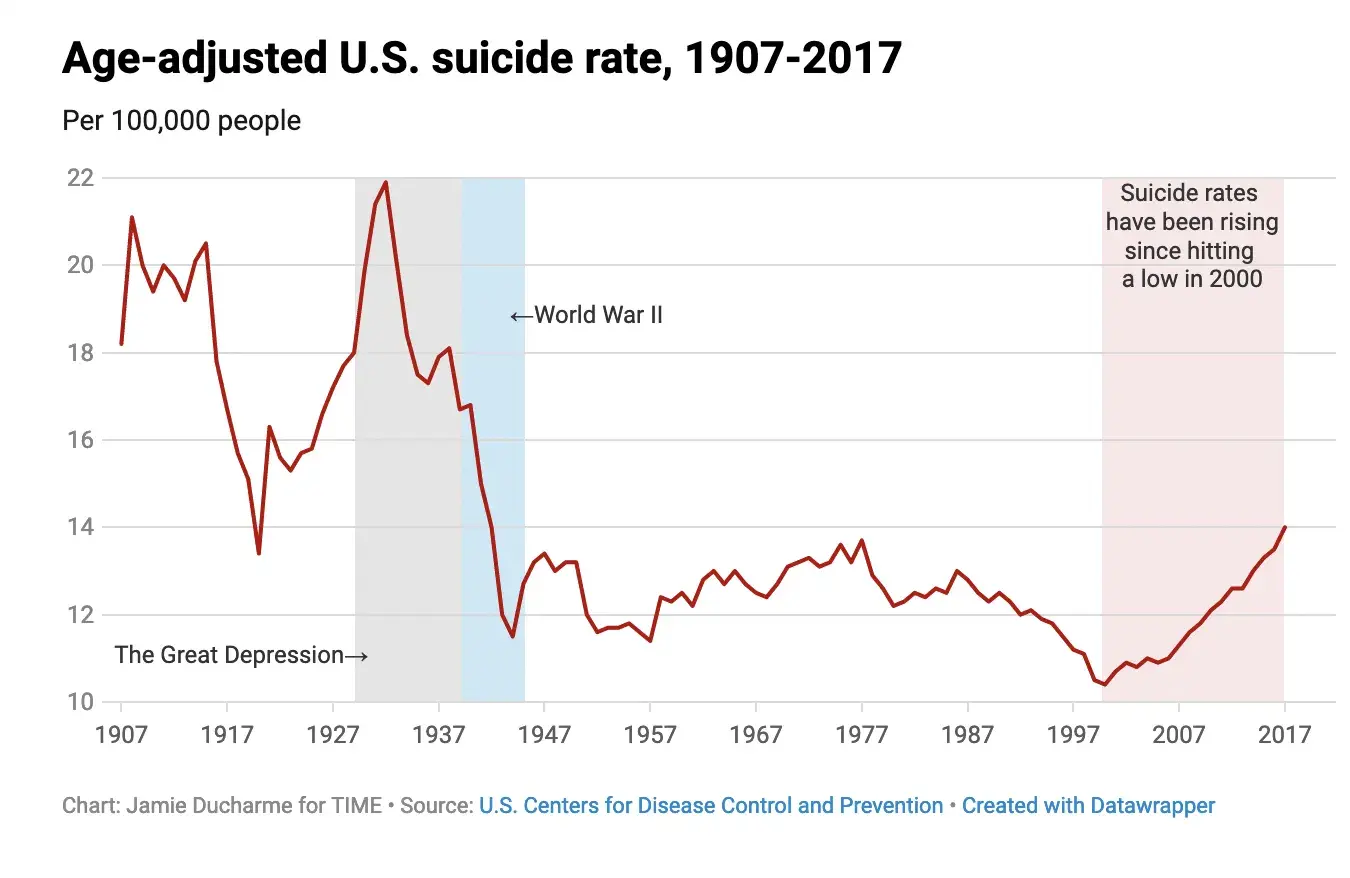
Project Motivation:
This project was motivated by the common challenges individuals face when building and maintaining social connections, particularly in unfamiliar environments. Many people experience isolation, limited access to affordable mental health support, and long waitlists for institutional resources. In such contexts, conversational AI tools are often used as an accessible outlet for emotional expression and reflection. These tools can help users externalize thoughts, reduce emotional overload, and reframe situations more realistically.
However, several limitations were observed. Conversations often lacked continuity, requiring users to repeatedly reintroduce personal context. Early responses tended to be generic until sufficient background was provided. Despite these limitations, conversational AI interactions may still reduce immediate stress and prevent the accumulation of anxiety over time.
Conceptual Key Issues:
These four solutions are crucial to make it feel less like a generic chatbot and more like a caring friend.
Technical Key Features:
    core_values_and_beliefs, mental_and_emotional_well_being, family_relationships, health_issues, personal_background,
    aspirations_and_fears, profile_summary, strengths_and_weaknesses, romantic_relationships, social_circle_dynamics,
    daily_routines, work_environment_and_dynamics, most_recent_challenges, most_recent_accomplishments,
    emotional_triggers, communication_style, hobbies_and_interests, personal_development_and_skills,
    financial_situation_and_goals, academic_performance_and_experiences, social_life_and_friendships,
    physical_health_and_lifestyle, personal_interests_and_hobbies, past_traumas
The existing summary in each category is updated from the current interaction. Once updated, a master summary is generated, which guides the next interaction.Goals:
The COVID vaccine does not guarantee that an individual will never get COVID. Similarly, this bot does not promise to completely eliminate loneliness and isolation. Just as the vaccine lowers the risk of severe complications, the goal of this project is to reduce levels of loneliness and isolation, potentially helping prevent loneliness-related suicides.
Challenges:
Key Accomplishments:
What Was Learned:
Future Vectors:
Demo: